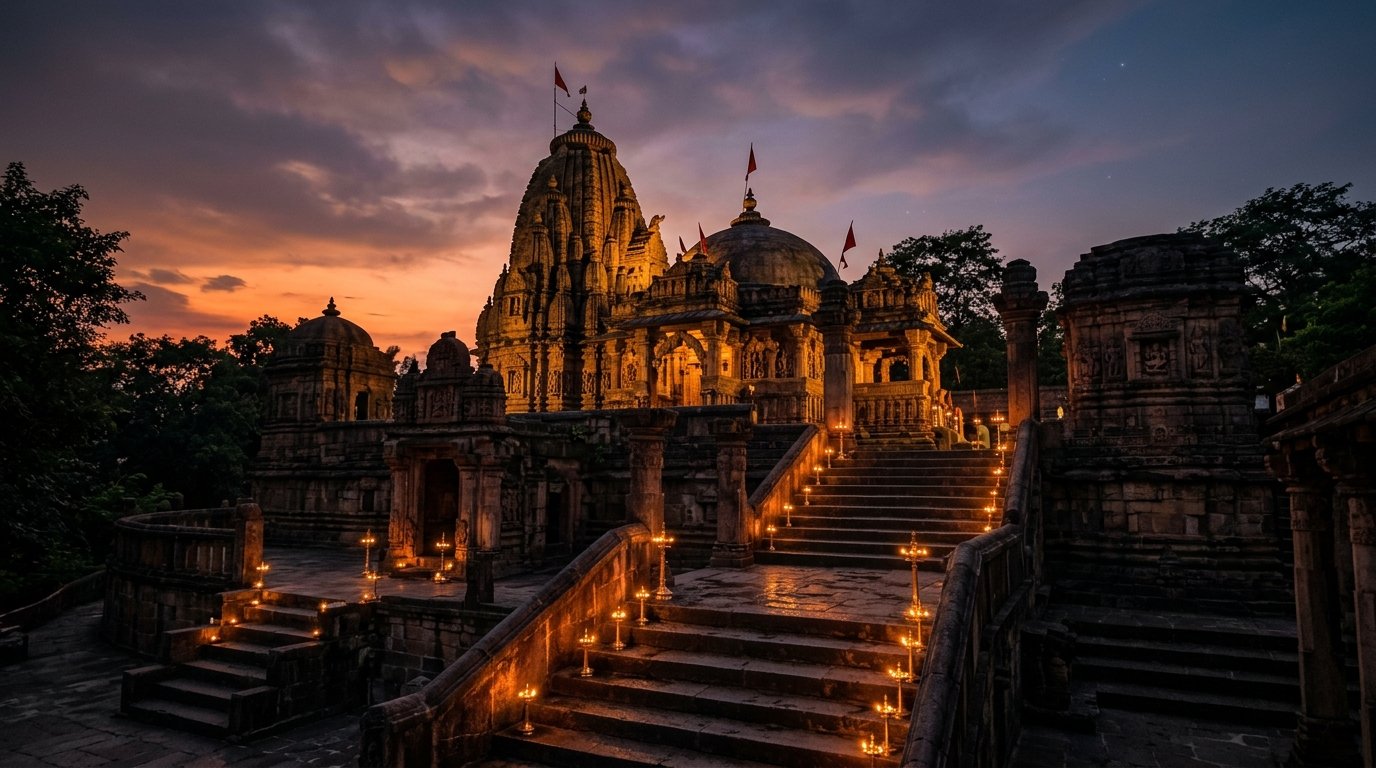
Perched majestically atop the verdant Nilachal Hill overlooking the mighty Brahmaputra River in Guwahati, Assam, Maa Kamakhya Temple (Official Maa Kamakhya Devalaya) is not just an ancient architectural marvel; it is the spiritual epicenter of Shakta Tantra in India. Revered as the prime seat of the 51 Shakti Peethas, Kamakhya holds an unbroken lineage of sacred ritual practices, Yogic sadhanas, and astrological wisdom that has endured for millennia. Understanding why Kamakhya's heritage matters is essential for anyone seeking authentic spiritual empowerment and guidance beyond sensationalized folklore.
Historical and Scriptural Foundations of Kamarupa
In classical Sanskrit literature, ancient Assam was renowned as Kamarupa—the mystical land where Kamadeva (the deity of love and desire) regained his physical form after being reduced to ashes by Lord Shiva's third eye. Scriptures such as the Mahabharata, Kalika Purana, Yogini Tantra, and Buddhist Hevajra Tantra universally celebrate Kamarupa as the cradle of esoteric wisdom.
According to Puranic legend, when Sati’s body was severed by Lord Vishnu’s Sudarshana Chakra, her Yoni (womb/creative center) descended onto Nilachal Hill. Because creation originates from the cosmic womb, Kamakhya is venerated as the Kamarupa Mahapitha—the supreme fountainhead of universal vitality, fertility, and spiritual rejuvenation.
A Temple Without an Idol
Unlike standard Vedic temples where a deity is depicted in stone or marble, the Garbhagriha (inner sanctum) of Kamakhya lies in a dark natural cave twenty steps below ground level. Here, devotees worship a natural spring emerging from a fissure in the living rock—a perennial symbol of the self-replenishing life force of Mother Earth.
The Sacred Geography of Nilachal Hill
Nilachal Hill is designed as a living mandala. Beyond the main Kamakhya shrine, the complex houses distinct temples dedicated to all Ten Mahavidyas as well as five protective Shiva temples (Pancha Shivalayas):
| Temple / Shrine | Divine Energy Embodied | Spiritual Significance for Devotees |
|---|---|---|
| Maa Kamakhya (Main Peeth) | Primal Creative Force (Maha Maya) | Fulfillment of heartfelt desires, marital harmony, and spiritual protection. |
| Maa Tara Temple | Supreme Compassion & Wisdom | Removal of dire life crises, bestowal of intellect and poetic eloquence. |
| Maa Bagalamukhi Temple | Stambhana (Paralyzing Negativity) | Victory over legal challenges, silencing malicious slander, enemy pacification. |
| Maa Bhairavi Temple | Kundalini Radiance & Fearlessness | Eradication of inner phobias, deep spiritual purification and vitality. |
| Maa Bhuvaneshwari Temple | Universal Nurturance & Splendor | Situated at the highest peak; bestows leadership, prosperity, and peace. |
| Pancha Shivalayas (5 Shiva Shrines) | Kameshwar, Siddheshwar, Kedareswar, etc. | Establishes cosmic balance between Shiva (Consciousness) and Shakti (Energy). |
Why Kamakhya's Traditions Remain Uncorrupted
While many ancient spiritual hubs across the world have lost their original rituals to modernization, Kamakhya has vigilantly preserved its Agamic heritage through four key pillars:
- Guruparampara (Lineage Transmission): Sacred mantras and puja protocols are passed down from master to disciple within initiated families (Bordeuri and Sevayat lineages) without dilution.
- Respect for Living Nature: Rituals reflect seasonal rhythms, planetary cycles, and natural elements (spring waters, sacred hills, herbal offerings) rather than mechanical dogma.
- The Significance of Rakta Vastra & Sindoor: The red cloth blessed during the Ambubachi festival and the temple's natural rock vermilion (Kamakhya Sindoor) are cherished worldwide as energized talismans of divine protection.
- Strict Ethical Safeguards: Genuine temple priests uphold Sattvic Tantra—using spiritual power to heal, protect families, and align seekers with cosmic law, while categorically rejecting harmful black magic.
For related reading on traditional spiritual sciences, explore our articles on What Is Tantra? Traditions in Kamakhya and How to Choose a Tantrik in Kamakhya.
"Nilachal Hill is not merely a geographic location; it is a spiritual vortex where the boundary between the material world and divine cosmic energy dissolves."
Consulting Niranjan Shastri Ji at Kamakhya
Living and practicing at the sacred grounds of Kamakhya, Niranjan Shastri Ji offers authentic Vedic astrology readings, dosha remediation, and divine temple rituals for seekers worldwide. Whether you are facing complex relationship roadblocks, chronic delays in marriage, or family discord, Shastri Ji provides clear, ethical, and scripture-backed solutions.
Learn more on our Services Page or connect via WhatsApp for direct spiritual consultation.
Frequently Asked Questions
What is the best time of year to visit Kamakhya Temple?
The temple is open year-round. Autumn (during Navratri/Durga Puja) and winter months (October to March) offer pleasant weather. The famous Ambubachi Mela takes place every year in June.
Can pujas be performed at Kamakhya on behalf of devotees who cannot travel?
Yes. In classical Shakta tradition, authorized priests can perform Sankalpa Pujas in the devotee's name, gotra, and birth star, sending the blessed Prasad and Rakta Vastra to their home.
What is the spiritual significance of Kamakhya Sindoor?
Kamakhya Sindoor is a natural mineral rock powder obtained from the sacred sanctum. It is consecrated through Devi mantras and used to ward off negative vibrations and enhance marital harmony.
How can I book an astrological consultation with Niranjan Shastri Ji?
You can schedule a consultation online via our contact page or directly message on WhatsApp at +91 87408 37777.