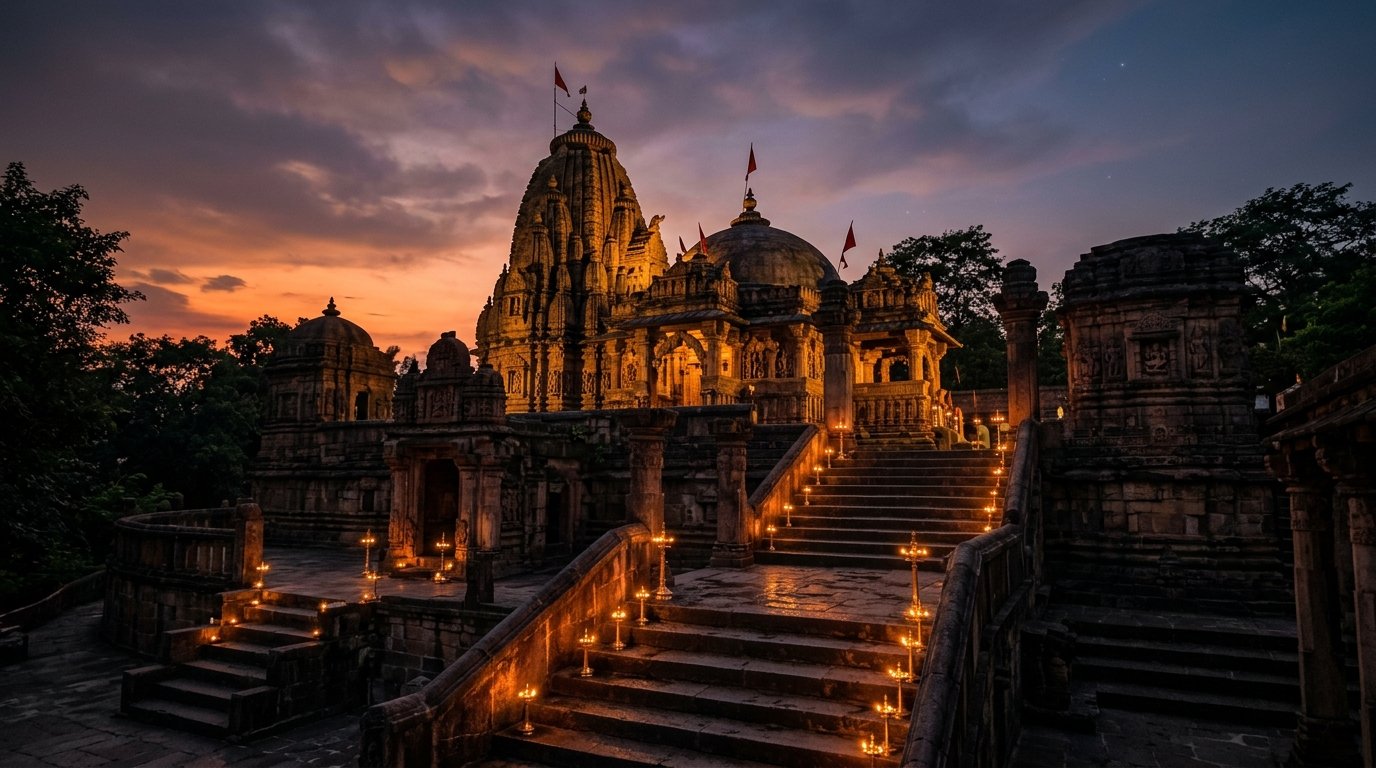
Mention the word Tantra in contemporary conversation, and it evokes wildly contrasting reactions. In the West, it is frequently reduced to sensationalized neo-tantric sexuality; in modern Indian cinema, it is often caricatured as dark sorcery practiced in eerie cremation grounds. In truth, authentic Tantra Shastra is one of the most profound, sophisticated, and ancient spiritual technologies of Sanatana Dharma. Rooted in the sacred soils of Assam at the Nilachal Hills, Kamakhya Temple stands as the eternal heart of Shakta Tantra—a tradition that reveres the cosmic feminine energy (Shakti) as the supreme creator, preserver, and liberator of the universe.
The Meaning and Etymology of Tantra
The word Tantra is derived from two Sanskrit root words:
- Tan (तन्): To expand, stretch, or broaden consciousness.
- Tra (त्र): An instrument, protection, or means of liberation (as in Trayate).
Therefore, Tantra literally means 'the scientific technology that expands human consciousness and liberates the soul from limitations.' While classical Vedanta primarily emphasizes intellectual inquiry and renunciation, Tantra teaches that the physical world, the human body, and earthly energies are not illusions to be discarded, but sacred divine instruments to be purified and channeled toward spiritual awakening and worldly harmony.
Why Kamakhya Is the Epicentre of Shakta Tantra
Kamakhya Temple is not merely an ancient monument; it is the foremost of the 51 Shakti Peethas—the Maha Yoni Peetha. According to the Kalika Purana and Yogini Tantra, when Lord Shiva carried the sacred remains of Devi Sati across the universe, her reproductive organ (Yoni) fell upon Nilachal Hill. Consequently, Kamakhya represents the eternal womb of cosmic creation.
Unlike conventional Hindu temples, there is no sculpted marble idol inside the dark subterranean sanctum (Garbhagriha). Instead, pilgrims and practitioners venerate a natural stone cleft fed by a perennial subterranean mountain spring. This sanctum symbolizes the primal creative vitality of nature itself.
The Philosophy of Ambubachi Mela
Every year during the monsoon month of Ahar (June), the temple observes the world-renowned Ambubachi Mela, during which Mother Earth is believed to undergo her annual menstrual cycle. This festival exemplifies Tantra's revolutionary reverence for biological life, fertility, and womanhood as the highest expressions of divinity.
The 10 Mahavidyas: Wisdom Goddesses of Kamakhya
Kamakhya is celebrated as the living abode of the Dasha Mahavidyas—the ten distinct cosmic wisdom aspects of the Divine Mother. Surrounding the central temple complex are dedicated shrines for each Goddess, representing a complete map of spiritual transformation:
| Mahavidya | Cosmic Aspect | Spiritual Blessing & Energy |
|---|---|---|
| 1. Maa Kali | Primordial Time & Transformation | Destroys fear of death, annihilates negative ego, grants spiritual liberation. |
| 2. Maa Tara | Compassionate Guide across Sansara | Bestows supreme eloquence (Vak-Siddhi), poetic genius, and life protection. |
| 3. Maa Tripura Sundari (Shodashi) | Supreme Beauty & Harmony | Harmonizes relationships, elevates aesthetic joy, awakens higher consciousness. |
| 4. Maa Bhuvaneshwari | The Cosmic Queen of Creation | Grants prosperity, peace in family life, and expansive creative leadership. |
| 5. Maa Bhairavi | Fierce Radiance & Kundalini Power | Burns away chronic impurities, self-doubt, and spiritual lethargy. |
| 6. Maa Chhinnamasta | Self-Sacrifice & Non-Attachment | Shatters intellectual delusion, controls lower instincts, balances life energy. |
| 7. Maa Dhumavati | The Primordial Void & Solitude | Dissolves grief, eliminates chronic debt, provides protection in adversity. |
| 8. Maa Bagalamukhi | The Paralyzer of Negative Forces | Silences unjust opposition, grants victory in legal battles and protection from malice. |
| 9. Maa Matangi | Goddess of Music, Art & Knowledge | Awakens intuitive wisdom, artistic mastery, and persuasive speech. |
| 10. Maa Kamala | Tantric Lakshmi (Spiritual Fortune) | Bestows auspicious wealth, family fulfillment, and physical well-being. |
The Dual Paths: Dakshinachara vs. Vamachara
Authentic Tantra is broadly divided into two complementary approaches:
- Dakshinachara (Right-Hand Path): The most widely practiced path, focusing on external purity, Vedic mantras, Yantra meditation, sacred fire rituals (Homa), and temple pujas. It is fully accessible to householders seeking peace and auspiciousness.
- Vamachara (Left-Hand Path): An esoteric discipline undertaken solely by initiated renunciates under the direct guidance of an enlightened Guru. It employs symbolic rituals (Pancha Makara) aimed at shattering deep-seated social conditioning and realizing non-duality (Advaita).
For more in-depth exploration, read our companion guides on Kamakhya's Tantric Heritage: Why It Matters and What Is Vashikaran? Understanding the Facts and Tantrik Contact in Kamakhya.
"Tantra does not ask you to flee the world; it empowers you to master the energies of life so that every breath becomes an offering to the Divine Mother."
Authentic Guidance with Niranjan Shastri Ji
Rooted in generational Shakti traditions at Kamakhya, Niranjan Shastri Ji provides ethical, authentic Vedic and Tantric consultations. Shastri Ji guides devotees with personalized remedies, gemstone guidance, and temple pujas designed to bring tangible harmony and spiritual protection to your life.
Discover personalized spiritual offerings on our Kamakhya Spiritual Remedies page or schedule an appointment directly.
Frequently Asked Questions
Is Tantra safe for ordinary householders to practice?
Yes. The Sattvic and Dakshinachara (Right-Hand) paths of Tantra—which involve mantra japa, temple pujas, and yantras—are completely safe, beneficial, and uplifting for everyday family life.
Why do people associate Tantra with black magic?
Sensationalized folklore and fraudulent charlatans claiming instant superstitious powers have distorted public perception. Pure Shakta Tantra is a sacred spiritual science dedicated to the Divine Mother.
What is the difference between Vedic astrology and Tantra?
Vedic astrology (Jyotish) is the diagnostic science that identifies planetary blockages and karmic timing. Tantra provides the energetic and ritualistic remedies (Pujas, Mantras, Yantras) to harmonize those planetary energies.
Can I visit Kamakhya for personal spiritual rituals?
Yes. Devotees from across India and the world visit Kamakhya Temple throughout the year for special ancestral rites, Mahavidya pujas, and personal astrological remedies.